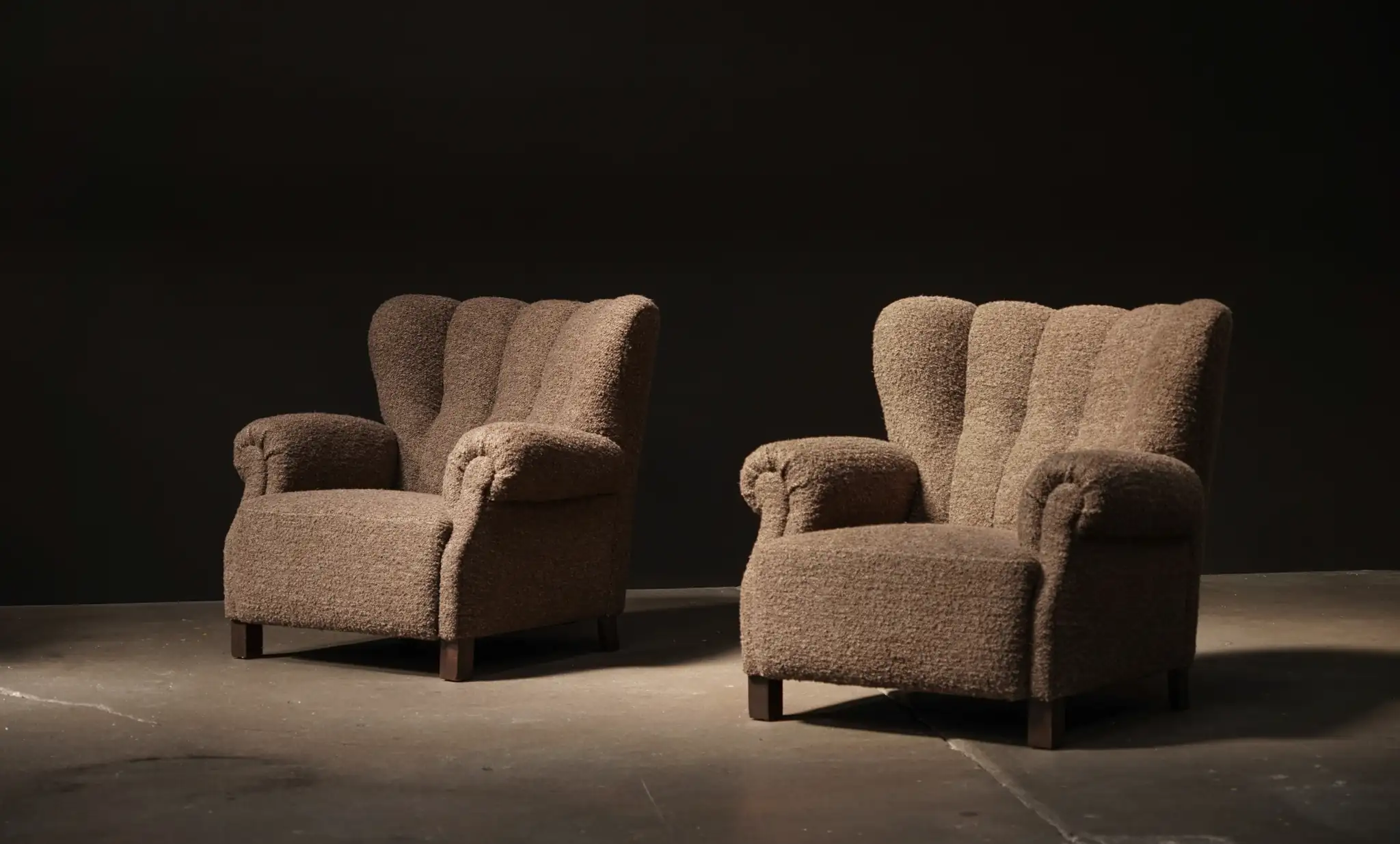
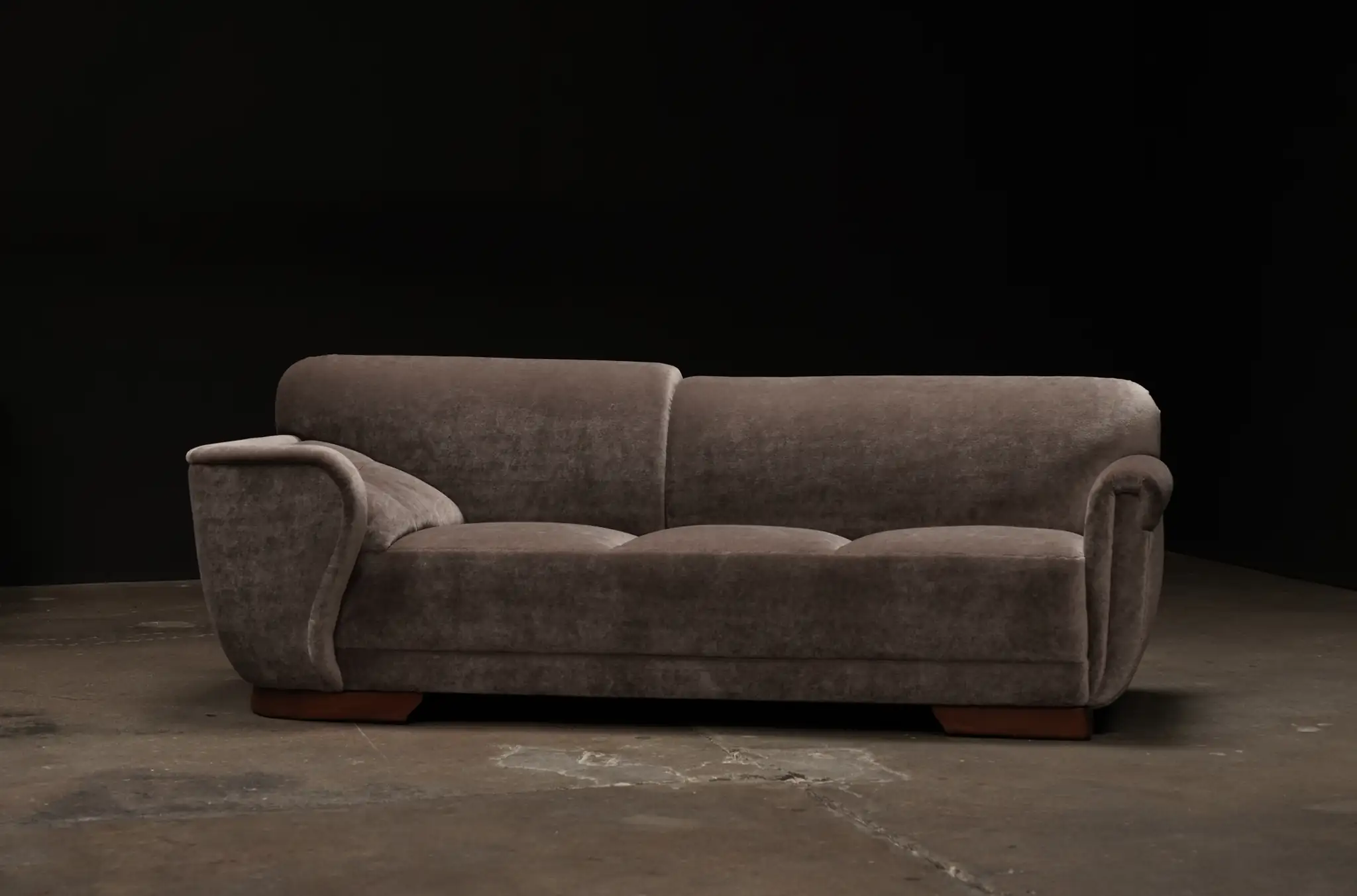
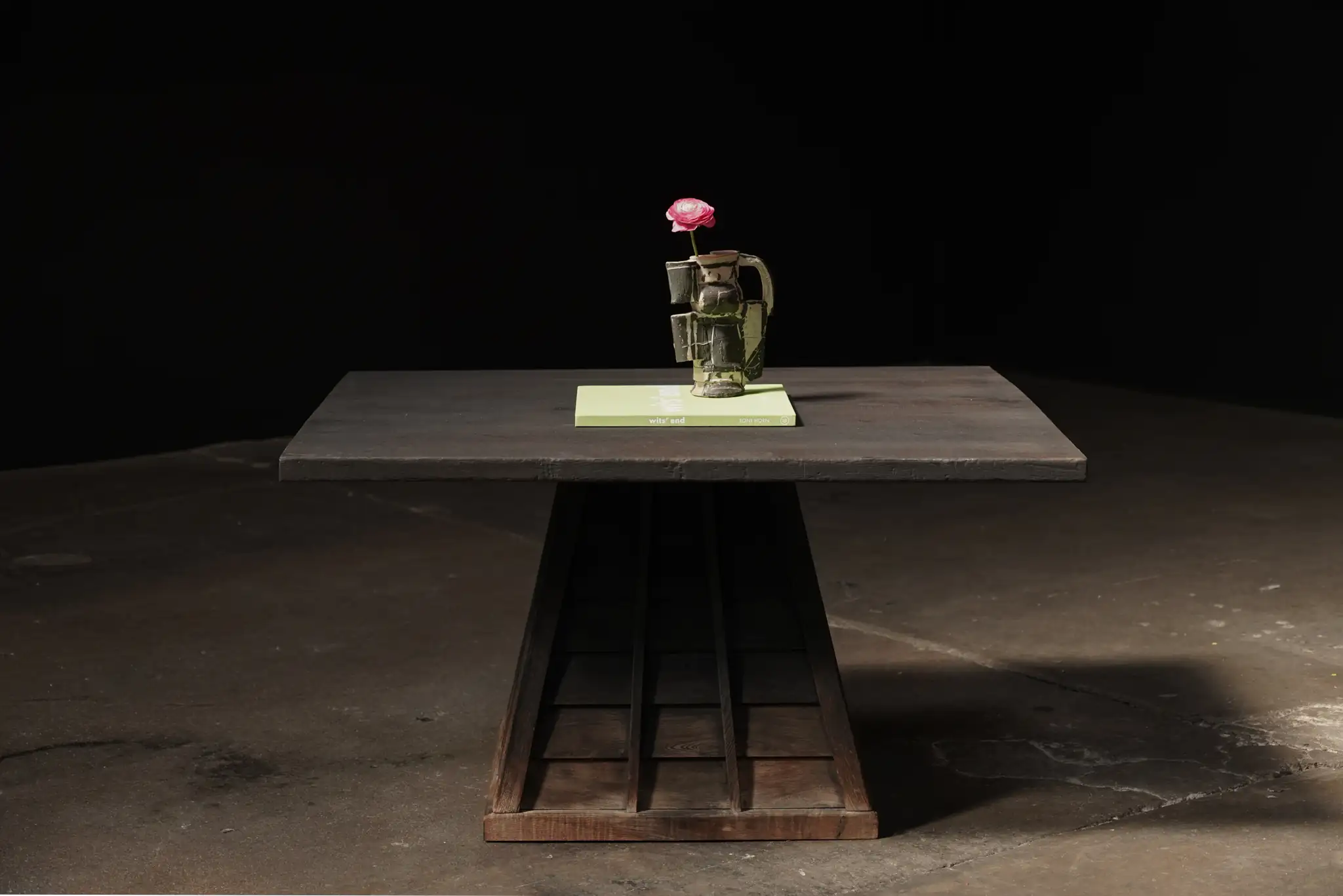
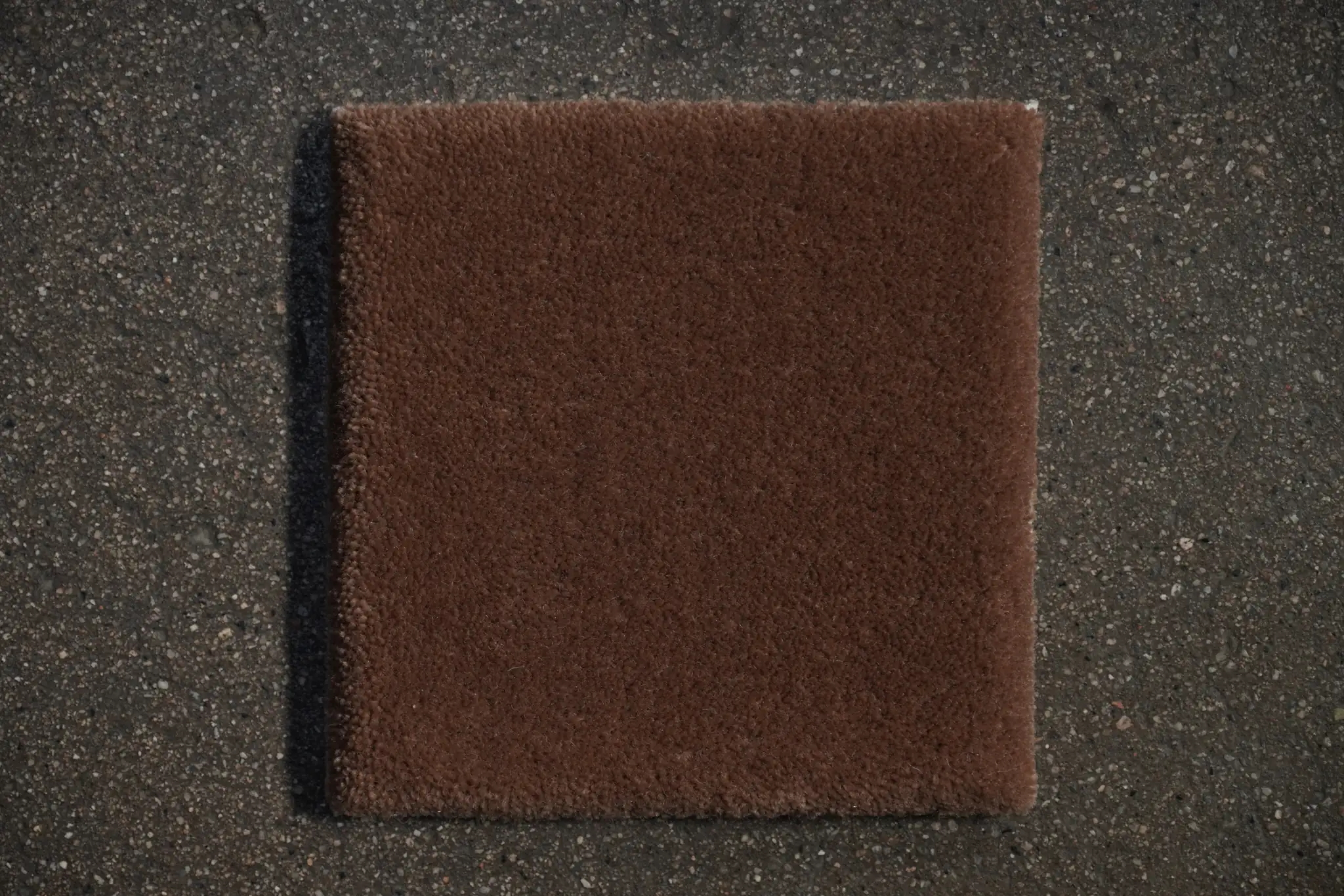
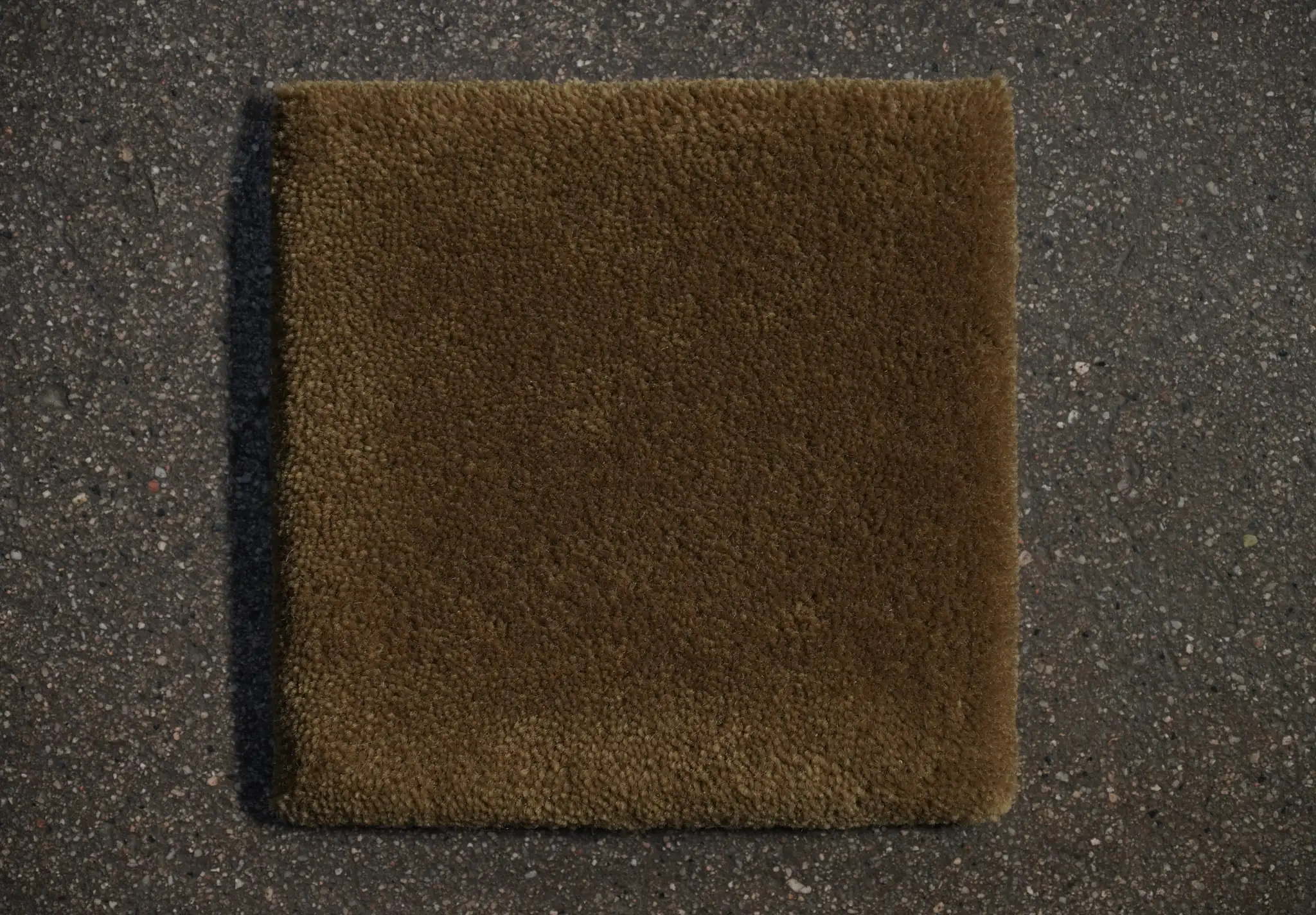
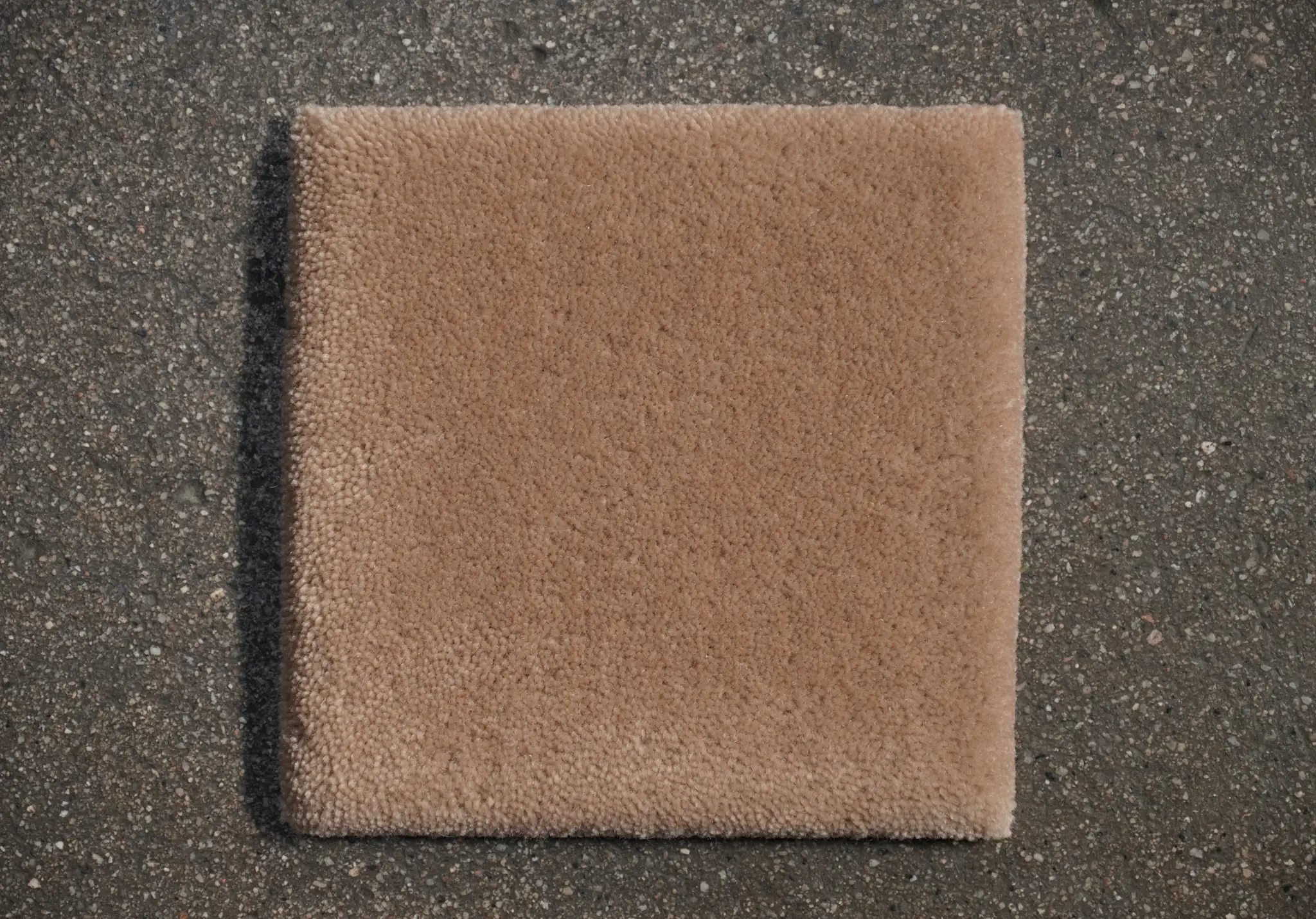
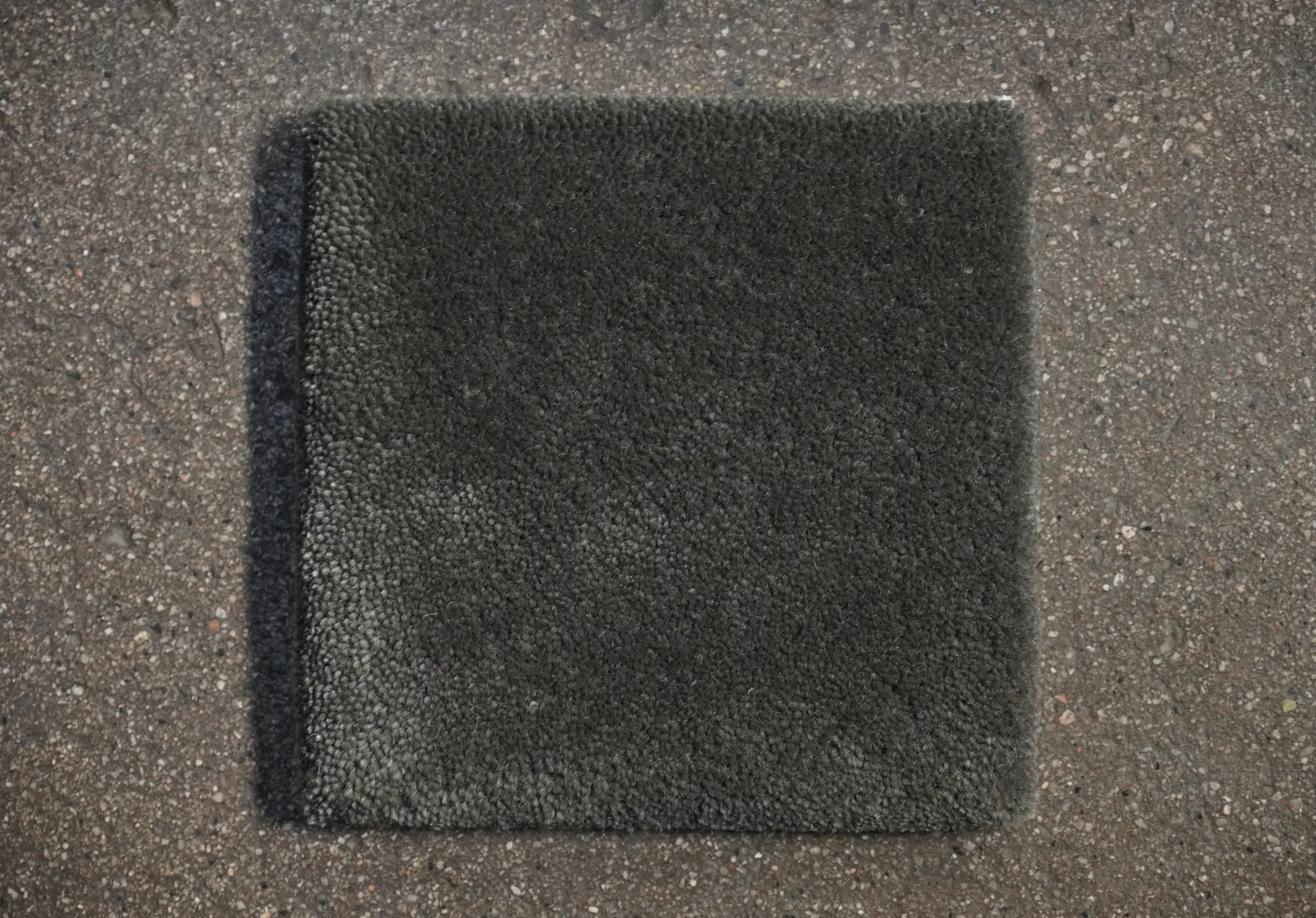
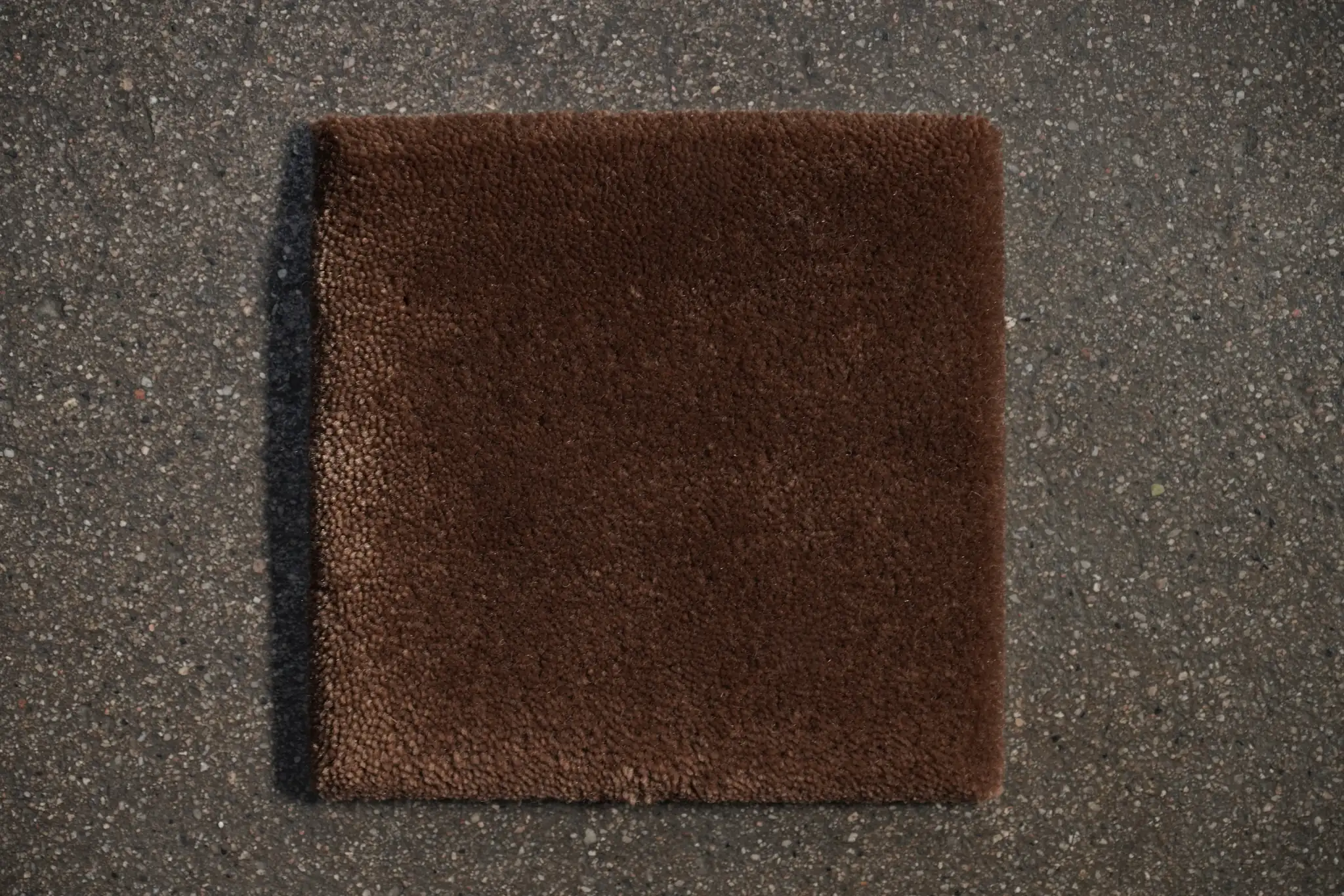
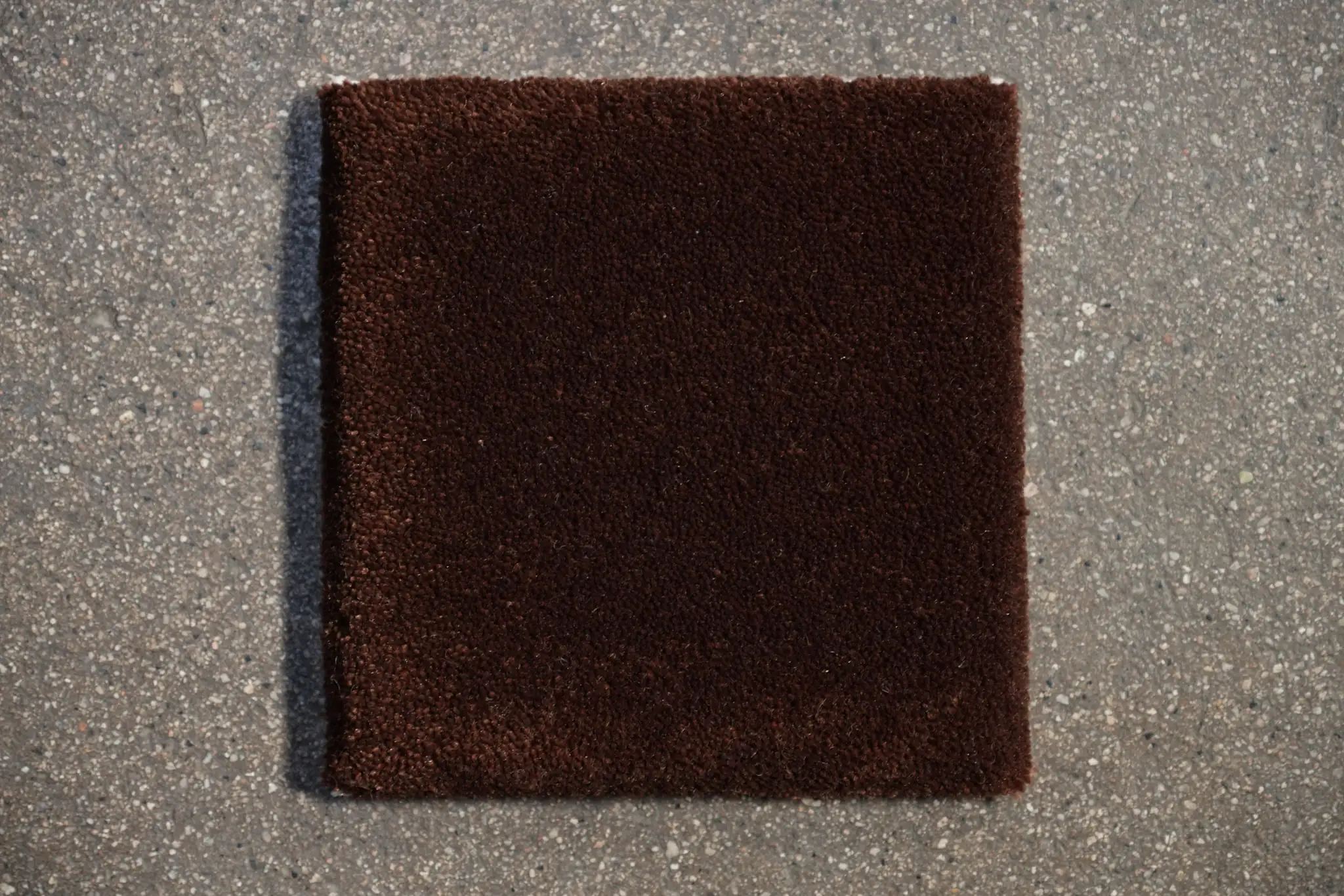
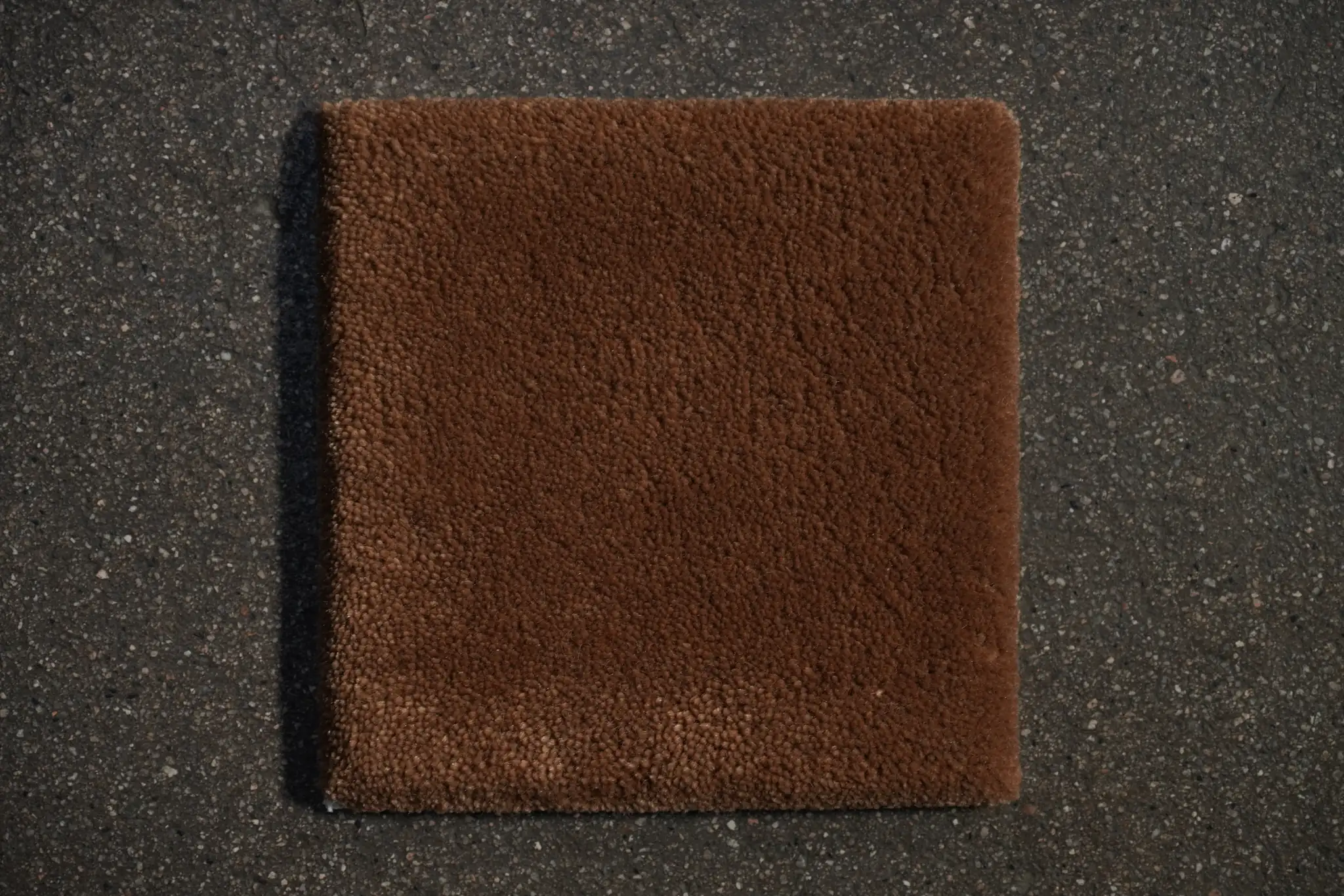
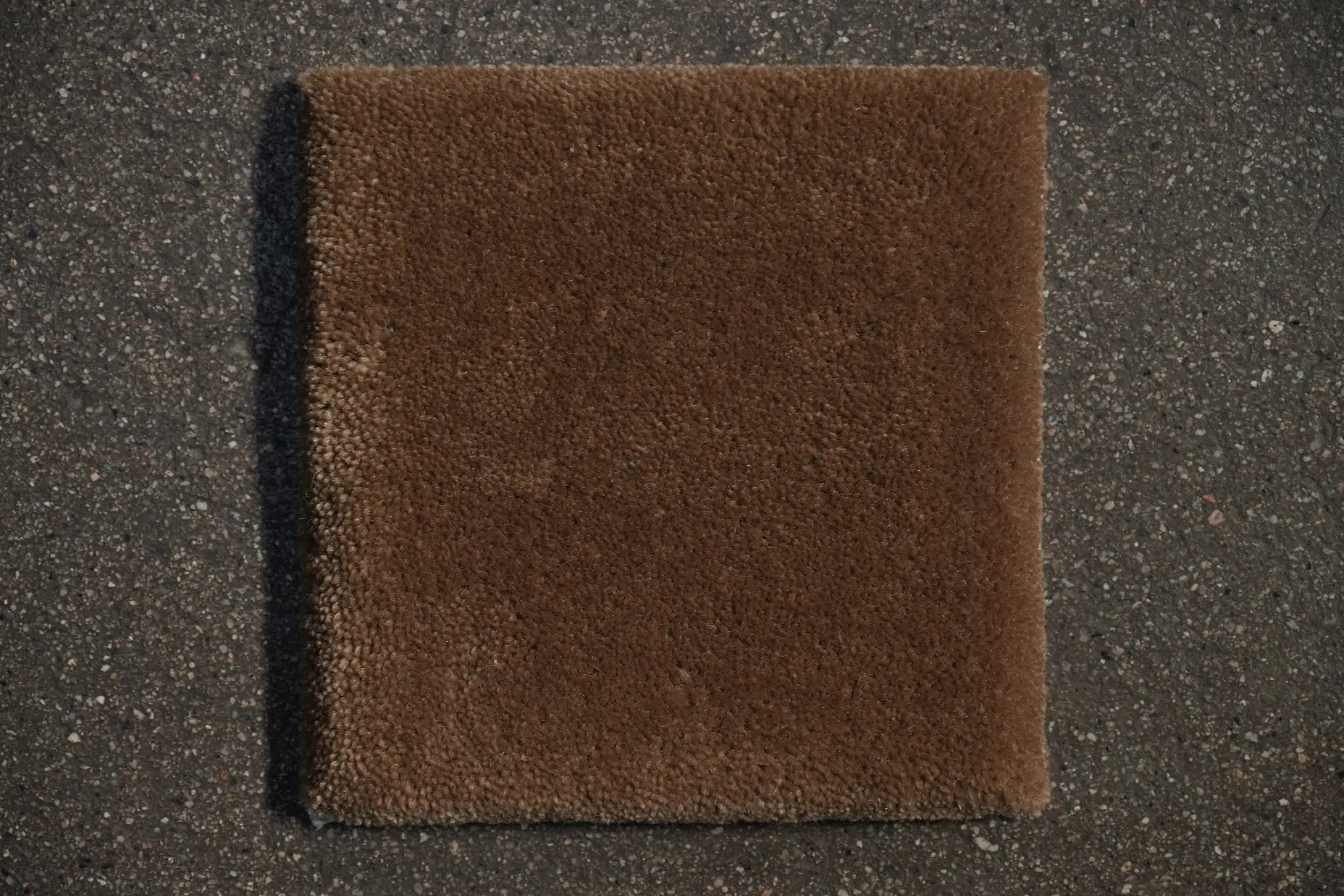
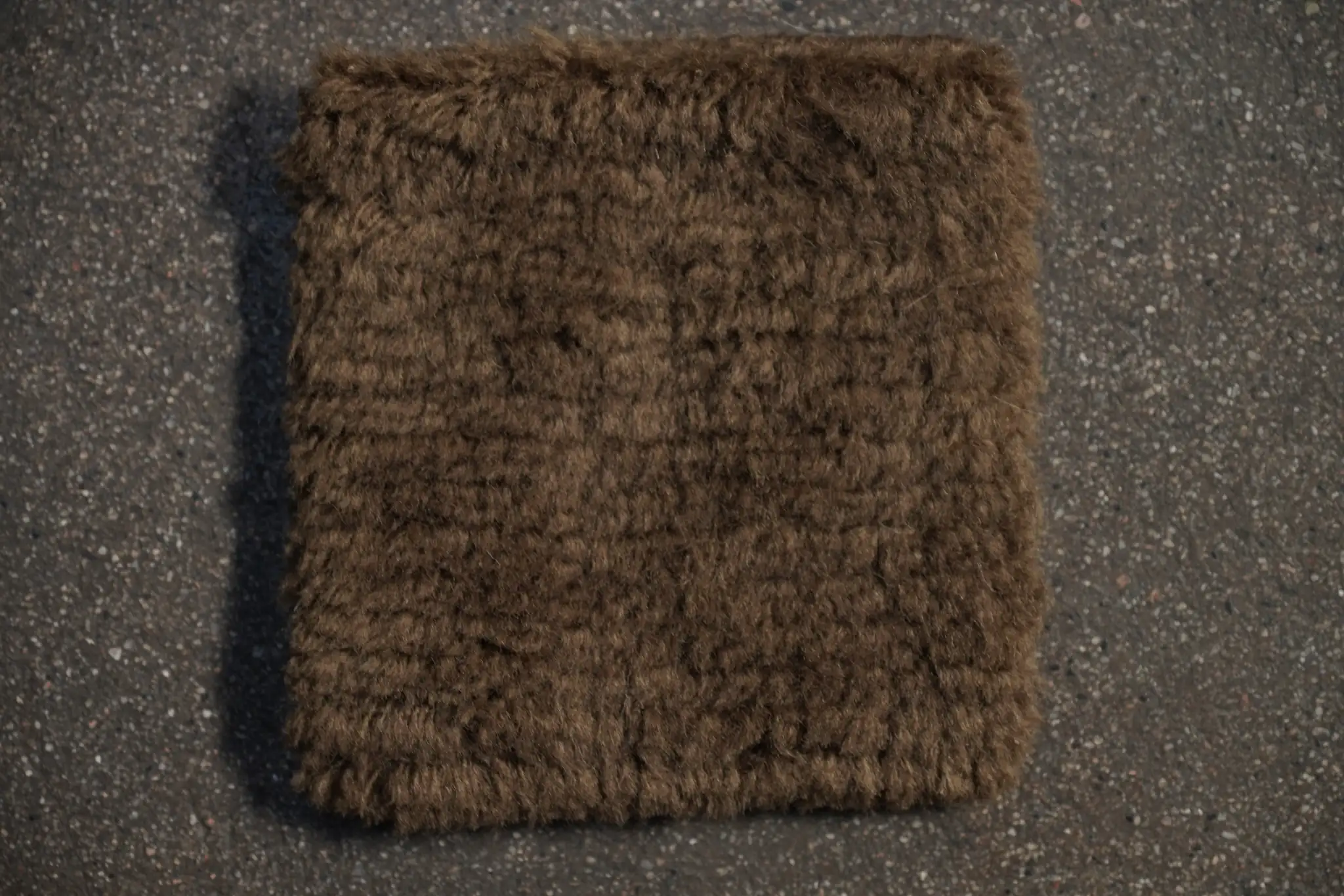
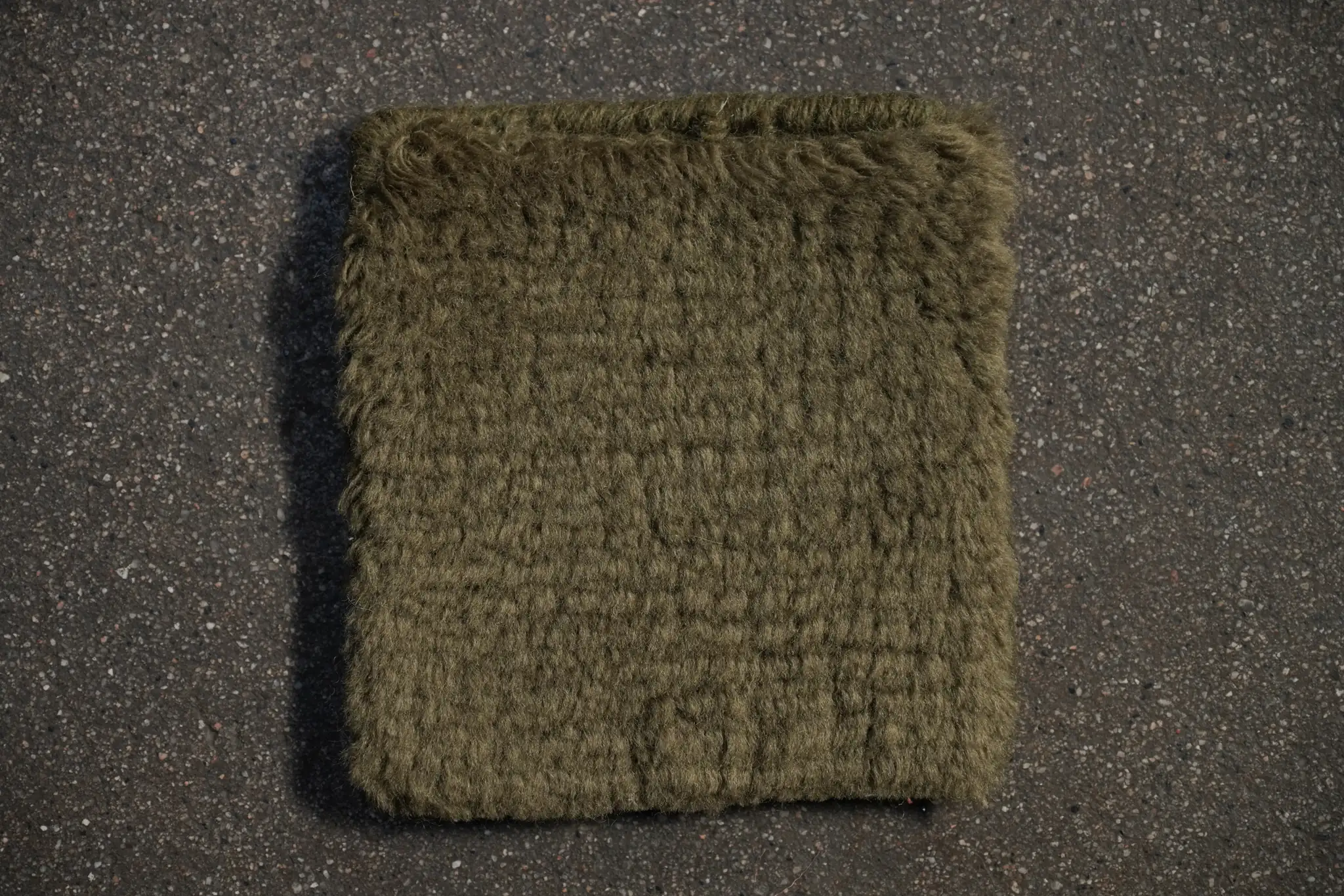
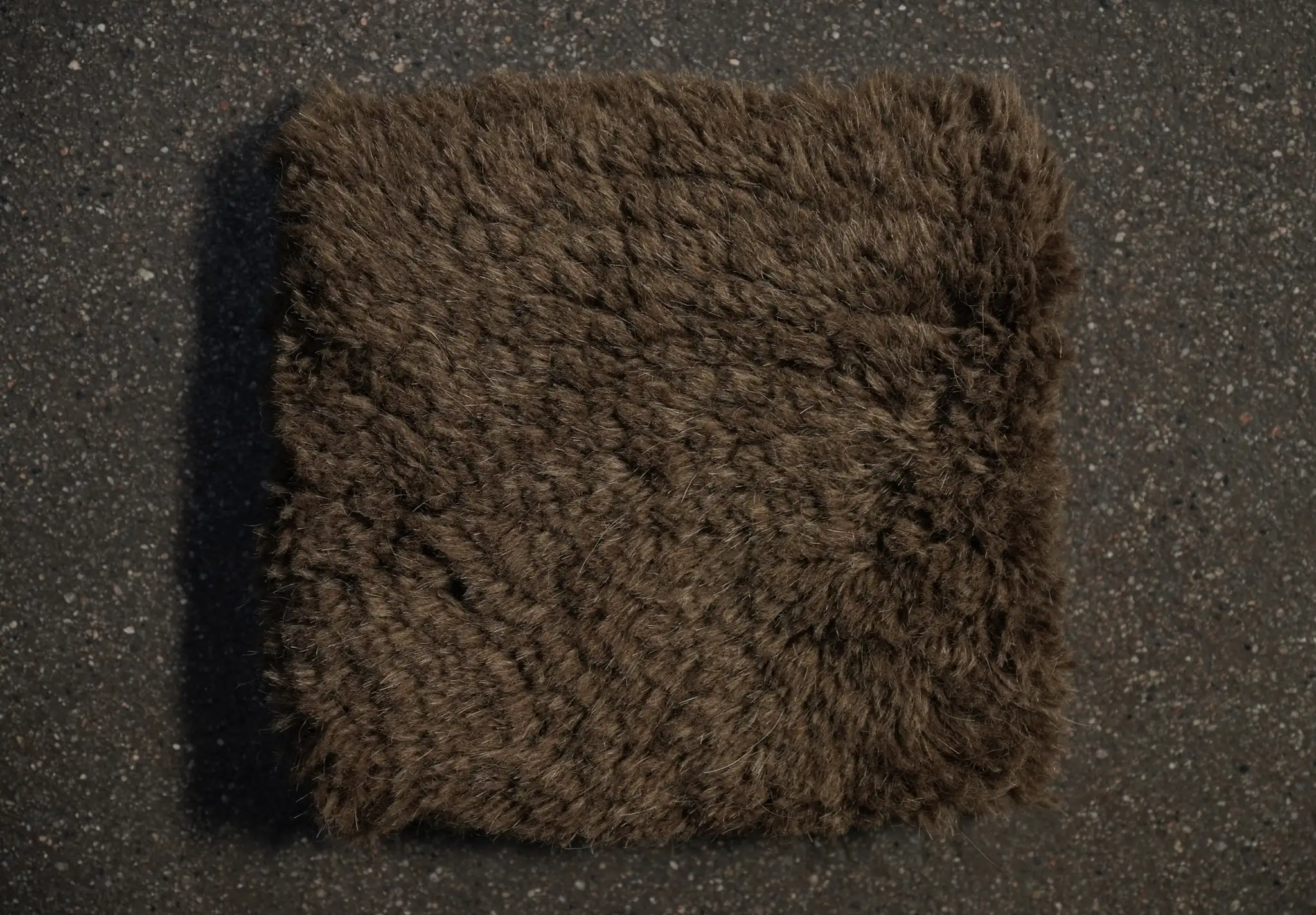
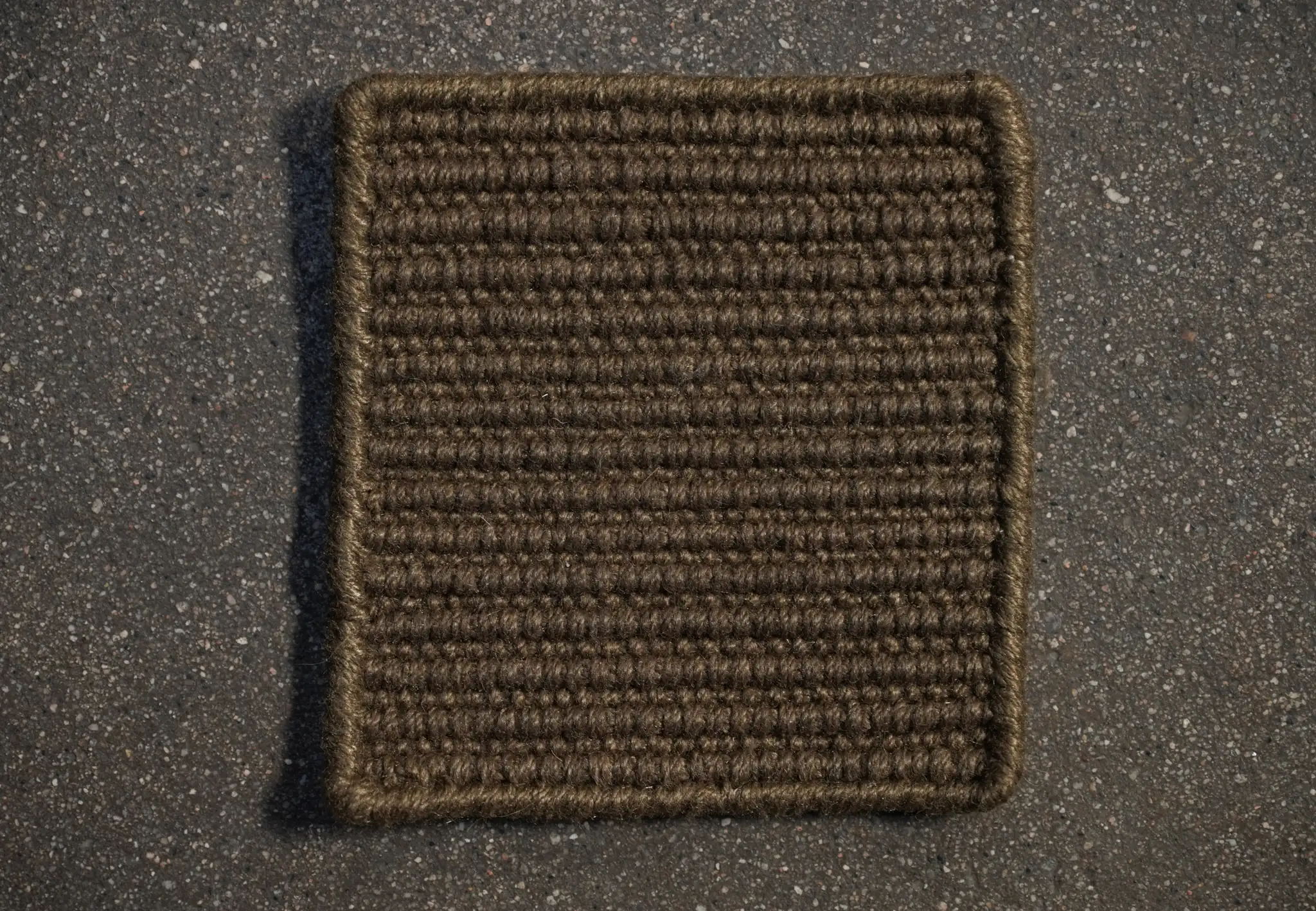
Double-X lounge armchairs by Pierre Jeanneret from the Chandigarh furniture program, circa 1950s–1960s, presented in contemporary dark hair-on-hide. Crossed teak members form the exposed sides of the chairs, framing broad upholstered seats, inclined backs and padded arms.
Jeanneret developed furniture alongside the architecture of Chandigarh, the new city created in post-independence India. Seating was an essential part of its offices, educational establishments and residential interiors. His designs brought modernist composition into direct contact with local woodworking: substantial timber members, economical joints and repeated forms gave ordinary furnishings a distinct architectural presence. The resulting furniture was made to be used, and its character emerges from the way a relatively small number of structural elements organize the body, the supporting frame and the spaces between them.
The intersecting supports establish the characteristic X-shaped silhouette at either side. The lower diagonal members spread toward the floor, while the upper portions support the arm structure. Between them, the upholstered seat and back create generous continuous surfaces, giving the chairs a substantial lounge scale.
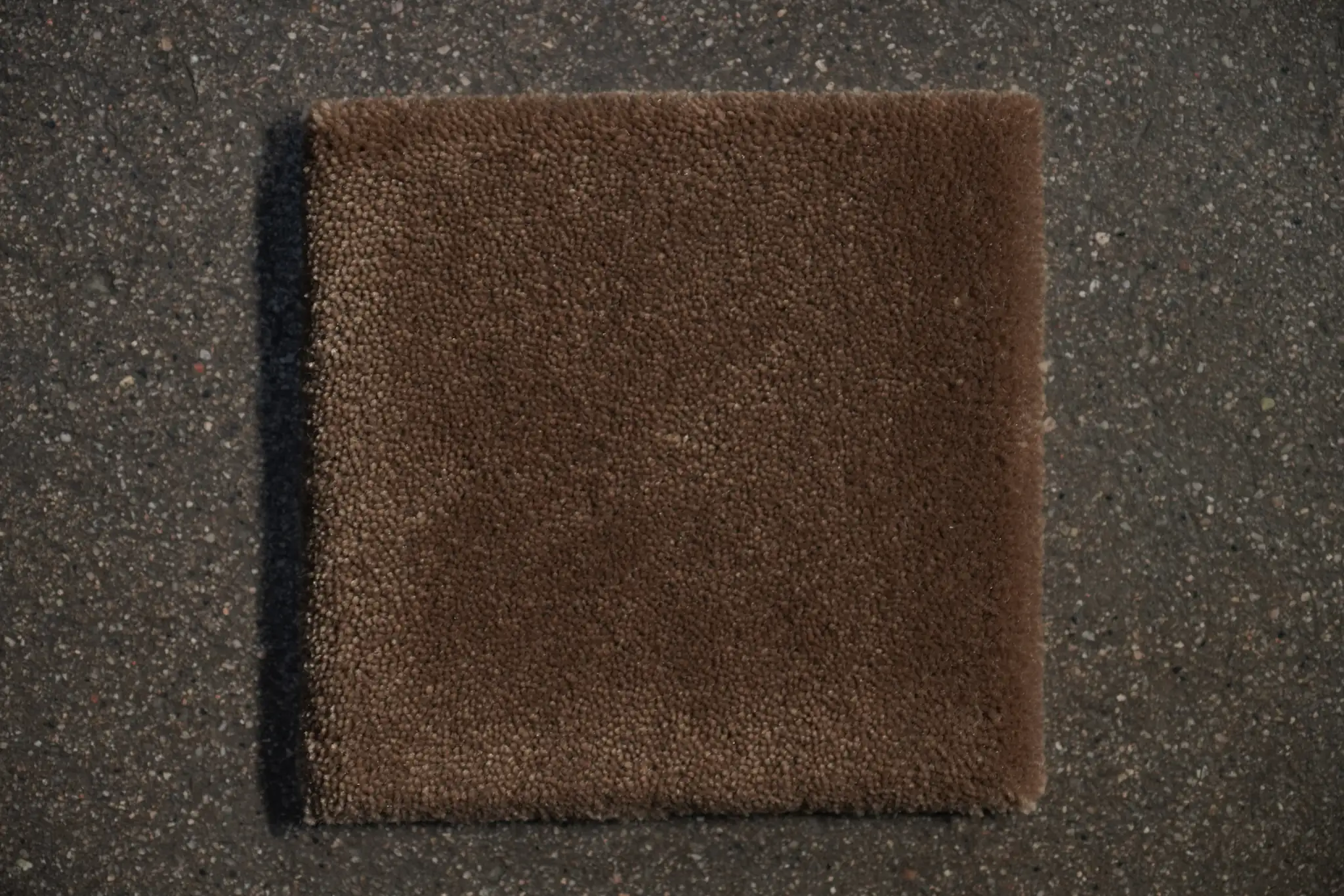
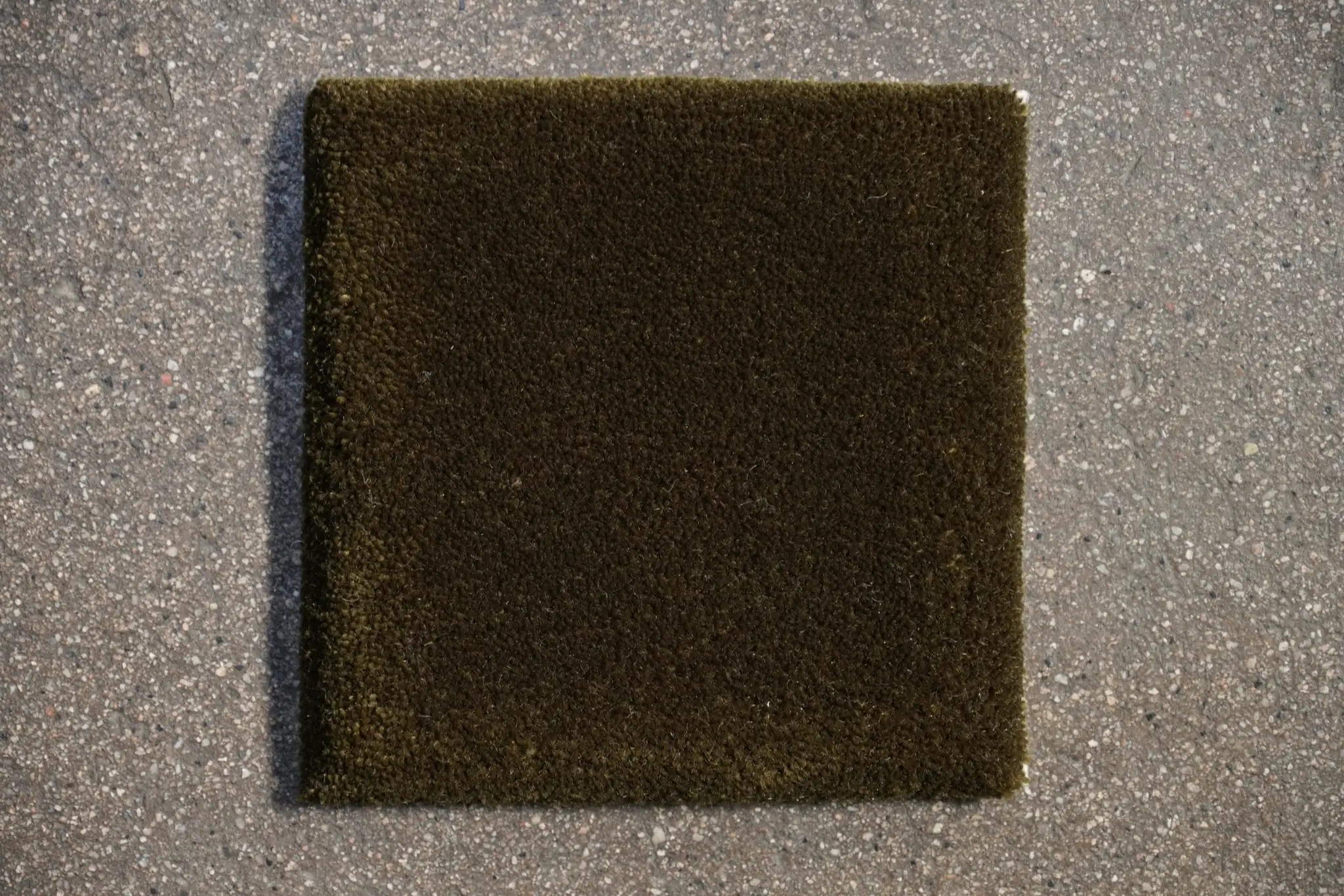
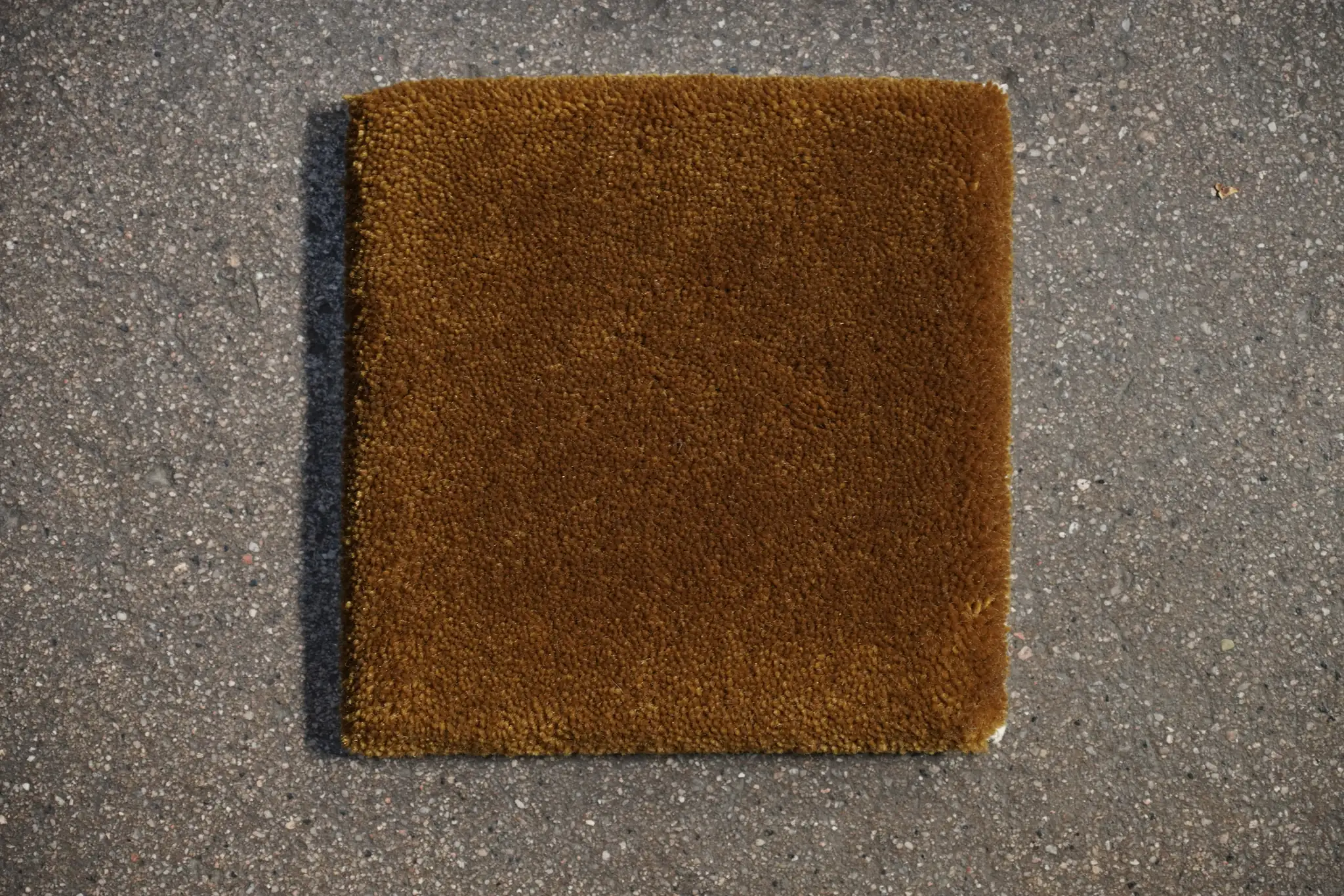
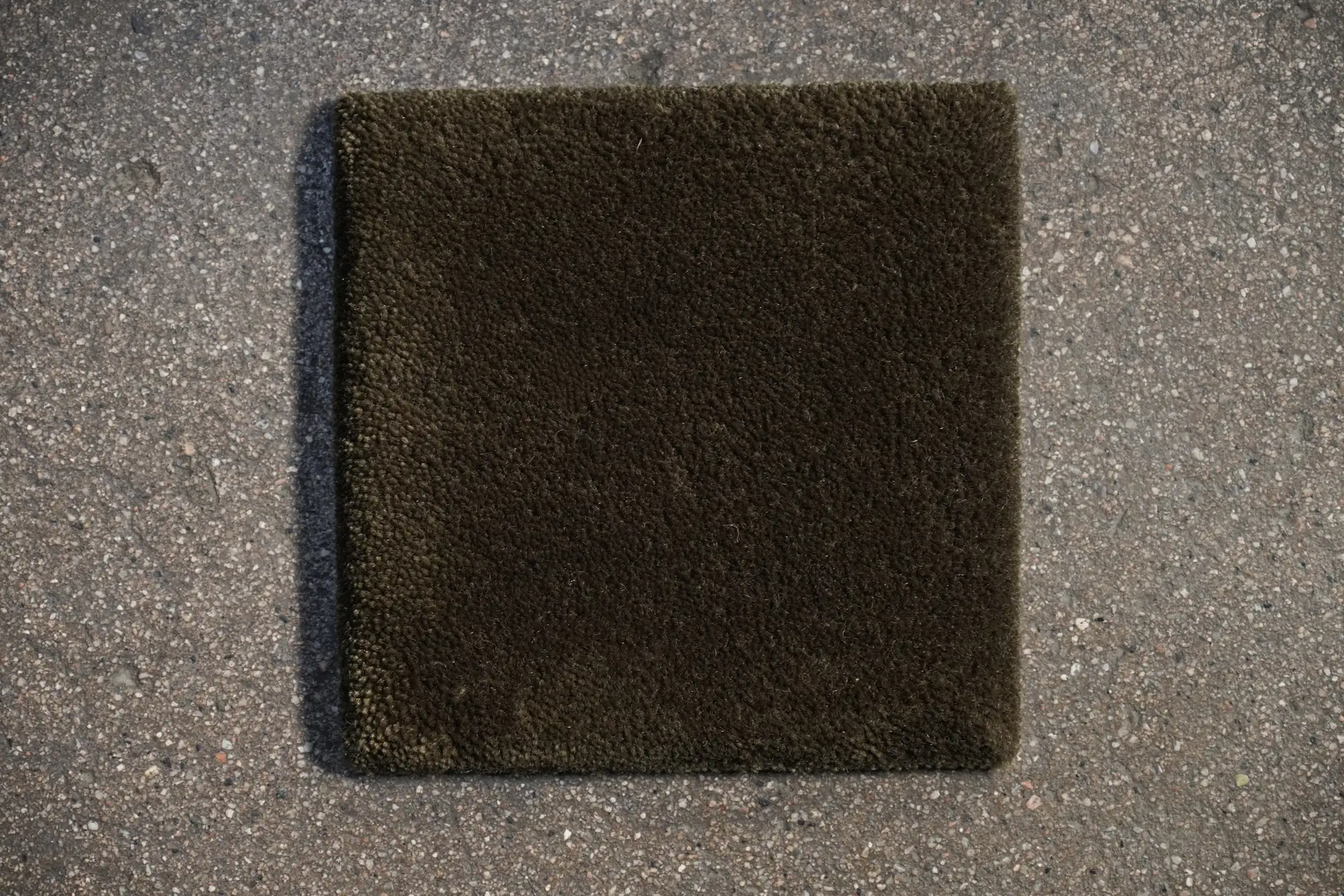
The dark covering contrasts with the warmer teak, whose crossed members remain visible outside the padded body. Seen from the side, the tension between the heavy upholstered volume and the open diagonal base is especially apparent. The design expresses support through its visible timber geometry, while the reclining back and wide arms shape the chair around a seated body.
Faded painted lettering survives on the exposed teak arm structure beneath the upholstery. The legible designation “M.L.A. (H)” belongs to the Chandigarh MLA hostel furniture inventory, with M.L.A. referring to Members of the Legislative Assembly and H to the hostel. Further property and room-code characters continue alongside the designation, their paint softened by use. These utilitarian markings connect the chairs with the residential side of Chandigarh’s civic program. Their presence on the vintage timber preserves an individual history beyond the recognizable Double-X design and the contemporary hair-on-hide covering.
The vintage teak retains variations in grain, color and surface wear, with softened edges and individual traces of use visible in the photographs. These details give the woodwork its material character and preserve the sense of a furnishing made for daily life in institutional or residential interiors. The frames have undergone repairs as part of their continued use and restoration. The present upholstery is a later treatment of the vintage structure.
Dimensions: approximately 28 inches wide, 30 inches deep, 28 inches high. Seat height: 17 inches. Arm height: 24.5 inches.
Provenance: private collection, Chandigarh, India, as recorded by Studio Balestra.
Accompanied by a Studio Balestra Certificate of Authenticity.